
LIET
How Embedded Systems Drive Smart Devices?
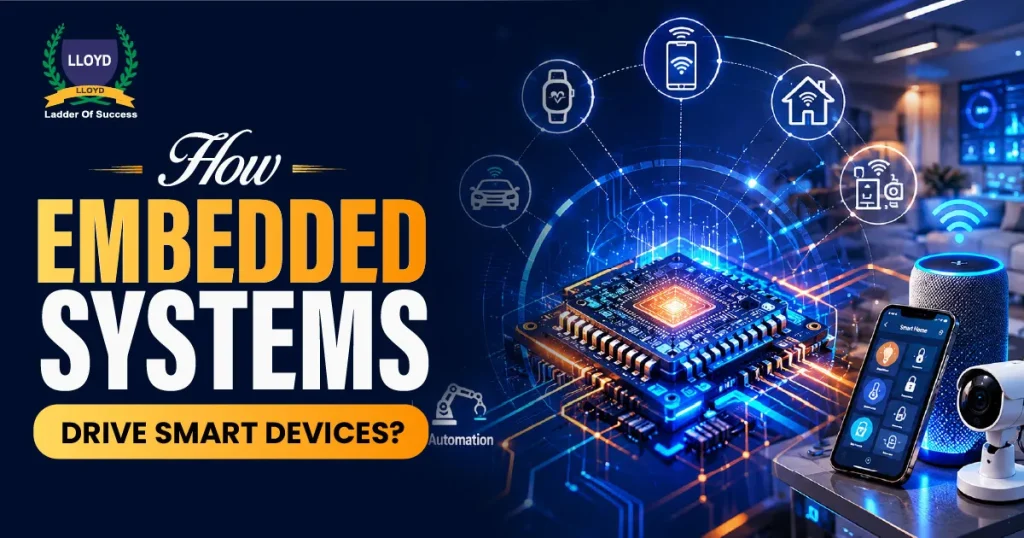
Technology is becoming smarter every day. From smartphones and smartwatches to automated cars and smart home appliances, modern devices are designed to perform tasks intelligently and efficiently. Behind the smooth functioning of these smart devices lies a powerful technology known as embedded systems.
Embedded systems are a major part of today’s digital world. They help devices process information, communicate with other systems, and perform specific functions automatically. Whether it is a fitness tracker counting steps or a washing machine selecting the right wash cycle, embedded systems play a critical role in making these devices intelligent.
As industries continue adopting automation, artificial intelligence, and connected technologies, the demand for professionals skilled in embedded systems is increasing rapidly. Students interested in fields like Computer Science Engineering (CSE) and electronics-related programs are exploring how embedded systems are shaping future technologies.
Understanding Embedded Systems
An embedded system is a specialized computer system designed to perform a dedicated function within a larger device or machine. Unlike general-purpose computers, embedded systems focus on specific tasks and are optimized for performance, speed, and efficiency.
These systems are usually built using hardware and software components that work together to control operations in electronic devices.
Simple Example of an Embedded System
Consider a smart microwave oven. It can:
- Set cooking time automatically
- Adjust temperature levels
- Display digital controls
- Alert users when cooking is complete
All these functions are controlled by an embedded system programmed specifically for that appliance.
Why Embedded Systems Are Important in Smart Devices
Smart devices require fast processing, real-time responses, and reliable communication. Embedded systems provide these capabilities while using limited power and resources.
Major Reasons Embedded Systems Are Essential
Real-Time Performance
Embedded systems process information instantly, which is important in applications like healthcare devices, automobiles, and industrial machines.
Automation
They help devices operate automatically without continuous human intervention.
Compact Design
Embedded systems are designed to fit inside small electronic devices while maintaining efficiency.
Energy Efficiency
Most smart devices depend on low-power embedded systems to increase battery life.
Reliable Operations
Embedded systems are built for stability and consistent performance in critical environments.
These features make embedded systems a foundation for modern smart technologies.
Main Components of Embedded Systems
Embedded systems consist of both hardware and software elements that work together.
Hardware Components
Microcontrollers
Microcontrollers act as the brain of embedded systems. They process instructions and control device functions.
Sensors
Sensors collect data from the environment, such as temperature, motion, pressure, or light.
Memory Units
Memory stores instructions and temporary data needed for operations.
Communication Interfaces
These help devices connect with networks, cloud platforms, or other devices using Wi-Fi, Bluetooth, or other technologies.
Software Components
Firmware
Firmware is the software programmed into the device hardware to control its functions.
Operating Systems
Some advanced embedded systems use real-time operating systems (RTOS) for efficient multitasking.
Students pursuing electronics-focused programs such as Electronics and Communication Engineering often study these hardware and software concepts in detail.
How Embedded Systems Work in Smart Devices
Embedded systems collect input data, process it, and generate output actions based on programmed instructions.
Basic Working Process
- Sensors gather information from the environment.
- The microcontroller processes the data.
- Software analyzes the information.
- The system performs the required action.
- Results are displayed or transmitted to users.
For example, in a smart air conditioner:
- Sensors detect room temperature.
- The embedded processor analyzes the temperature.
- The system adjusts cooling automatically.
This intelligent functioning is what makes devices “smart.”
Types of Embedded Systems
Embedded systems can be classified based on their performance and functionality.
Standalone Embedded Systems
These systems work independently without needing another system.
Examples:
- Digital cameras
- Microwave ovens
- MP3 players
Real-Time Embedded Systems
These systems perform tasks within a fixed time limit.
Examples:
- Airbag systems in cars
- Medical monitoring devices
- Industrial automation systems
Networked Embedded Systems
These systems connect to networks for communication and data sharing.
Examples:
- Smart home devices
- IoT systems
- Smart security cameras
Mobile Embedded Systems
These systems are used in portable devices powered by batteries.
Examples:
- Smartphones
- Smartwatches
- Fitness trackers
Role of Embedded Systems in Everyday Smart Devices
Embedded systems are present in almost every modern electronic product.
Smartphones
Smartphones use embedded systems for:
- Touchscreen control
- Camera operations
- Battery management
- GPS navigation
Smart Home Devices
Devices like smart lights, voice assistants, and security systems rely on embedded systems for automation and connectivity.
Automobiles
Modern vehicles contain multiple embedded systems controlling:
- Engine performance
- Braking systems
- Navigation
- Parking assistance
- Airbags
Healthcare Equipment
Medical devices use embedded systems for:
- Patient monitoring
- Diagnostic equipment
- Smart wearable devices
Industrial Automation
Factories use embedded systems in robots, production lines, and monitoring systems to improve efficiency and reduce manual work.
Connection Between Embedded Systems and Emerging Technologies
Embedded systems are closely connected with several advanced technologies that are transforming industries today.
Artificial Intelligence and Embedded Systems
Modern smart devices increasingly combine embedded systems with artificial intelligence to enable intelligent decision-making.
Examples include:
- Voice recognition systems
- Self-driving cars
- AI-powered surveillance cameras
Data Science and Smart Devices
Embedded devices continuously generate large amounts of data. This information is analyzed using data science techniques to improve performance and user experience.
Cybersecurity in Embedded Systems
As connected devices become more common, protecting them from cyber threats is becoming essential. Knowledge of cybersecurity helps professionals secure embedded systems from hacking and data breaches.
Best Engineering Streams for Embedded Systems
Several engineering branches offer pathways into embedded systems careers.
Computer Science Engineering
Students studying Computer Science Engineering (CSE) learn programming, algorithms, and software development relevant to embedded systems.
Electronics and Communication Engineering
Electronics and Communication Engineering focuses on circuits, communication technologies, and embedded hardware systems.
Electronics and Electrical Engineering
Programs like Electronics and Electrical Engineering help students understand electrical systems, automation, and control technologies.
Mechanical Engineering
Modern vehicles and industrial machines integrate embedded systems extensively, making Mechanical Engineering relevant in automation and robotics applications.
Future Scope of Embedded Systems
The future of embedded systems is closely tied to the growth of smart technologies and digital transformation.
Emerging Trends
- Internet of Things (IoT)
- Smart cities
- Autonomous vehicles
- Industrial automation
- Wearable technology
- AI-powered devices
- Edge computing
As industries adopt more connected and intelligent systems, embedded systems professionals will remain in high demand.
Students interested in engineering education can also explore opportunities at a Top Private Engineering College and review B.Tech Admission details while planning their academic journey.
Many learners also research Best Engineering Colleges in Greater Noida because of the region’s growing educational and industrial ecosystem.
Challenges in Embedded Systems Development
Although embedded systems offer exciting opportunities, developers face several challenges.
Common Challenges
- Limited memory and processing power
- Real-time performance requirements
- Hardware-software integration complexity
- Security vulnerabilities
- High testing and maintenance requirements
Despite these challenges, continuous technological advancements are making embedded systems more powerful and efficient.
Frequently Asked Questions (FAQs)
1. What are embedded systems in simple terms?
Embedded systems are small computer systems built into devices to perform specific functions automatically and efficiently.
2. Where are embedded systems used?
Embedded systems are used in smartphones, cars, medical devices, smart home appliances, industrial machines, and wearable devices.
3. Is embedded systems a good career option?
Yes, embedded systems offer strong career opportunities due to increasing demand in automation, IoT, robotics, and smart technologies.
4. Which engineering branch is best for embedded systems?
Computer Science Engineering, Electronics and Communication Engineering, and Electronics and Electrical Engineering are among the best choices for embedded systems careers.
5. What skills are required for embedded systems engineering?
Important skills include programming, microcontroller knowledge, circuit design, problem-solving, and understanding of IoT and hardware systems.
Lloyd---
Discover More Topics –
Recent Blogs